Free Electrons 2026 Master Module: Turning Collaboration into Action
Against the unmistakable backdrop of London, the Free Electrons 2026 Master Module brought together the program’s Top 15 startups and leading global utilities for four days dedicated to moving innovation forward.
Hosted by E.ON from September 14-17, the Master Module provides a space where people get into the work: challenging ideas, developing real-world use cases, refining potential projects and exploring what it takes to turn a promising conversation into a meaningful collaboration.
With CLP, EDP, E.ON, ESB, Hydro-Québec, Origin Energy and PPC Group taking part, the week brought together different markets, perspectives and energy challenges under one roof. And in a city known for its constant movement, the pace inside the Master Module was no different.

Day 1: London’s Calling – Reconnecting Face to Face
The Master Module began with a familiar feeling. Many of the people in the room already knew each other, while conversations between startups and utilities had continued through emails, calls and follow-ups in the weeks leading up to London.
It was an opportunity to pick up discussions that had been developing remotely and look ahead to what participants wanted to achieve together over the days ahead.
There was no rush to jump straight into the work. The value of the first day was in the conversations themselves – strengthening relationships and creating space for unexpected connections.

Day 2: Taking the Floor, Then Taking the Conversation Further
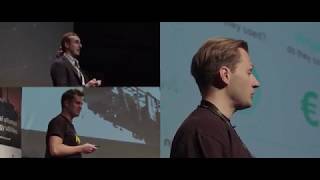
The day began with the TAO presentations, giving startups the floor to share where they stood, what they had learned and the opportunities they were ready to explore further with utility partners.
These presentations created a shared starting point for what came next: the first round of 1:1 meetings.
The smaller setting allowed both sides to go beyond the presentation and focus on the questions that mattered to each potential collaboration.
What was the strongest use case? Where was there genuine alignment? What would need to happen next?
By the end of the day, the Master Module had moved from sharing opportunities with the room to exploring them around the table – one conversation at a time.

Day 3: One-to-One, All Day
The day was centered around 1:1 meetings, creating dedicated time to go deeper into the opportunities identified throughout the program.
With fewer distractions and more time for focused discussion, teams could get into the details: utility needs, technical requirements, potential use cases, internal processes and the practical questions surrounding a future collaboration.
Some conversations built on clear areas of alignment. Others challenged assumptions or opened entirely new directions. That was precisely the point.

Day 4: Building Together
After two days dominated by direct conversations, the final day changed the dynamic once again.
Startups and utilities worked alongside one another, bringing together the perspectives, questions and insights that had emerged throughout the week. It was an opportunity to step outside individual meetings and exchange ideas more broadly.
The format captured something central to Free Electrons: innovation comes from combining different experiences, markets, technologies and ways of thinking – and giving people the space to build on each other’s ideas.
After four days of reconnecting, presenting, meeting and collaborating, the Master Module closed with stronger relationships and plenty of conversations ready to continue beyond London.
The meetings may have ended, but the work certainly hadn’t.